Explore the framework

The methodology in full — from its foundations in five proven traditions to the systems that make it work, and the arc of a child's development from age 6 to 18.

ÆRA is an educational framework for human development across ages 6 to 18. It synthesises five proven traditions — Montessori, Waldorf, Sudbury, Place-Based Education, and Data-Informed Mentoring — into a coherent, transferable model designed for the world children are actually entering. It is not a school to replicate. It is a set of principles, systems, and tools, openly documented, that any school can adopt at the level that fits their context.

It is not a new philosophy invented from scratch. It is a disciplined evolution of approaches with decades of evidence behind them — updated to address four realities those traditions did not anticipate: the prevalence of AI in children's lives, the urgency of ecological literacy, the scalability of individual attention through responsible AI use, and the data sovereignty expectations of European families and institutions.

Five foundations

ÆRA draws from five proven educational traditions — taking the best of each and going further where the research supports it. Click any tradition to see the evidence and how ÆRA extends it.

ÆRAIMontessoriIIWaldorf / SteinerIIISudburyIVPlace-Based EducationVData-Informed Mentoring
The child's arc — ages 6 to 18

The same values and architecture run from age 6 to 18, deepening as the child grows. Autonomy increases as readiness is demonstrated — not as the calendar advances.
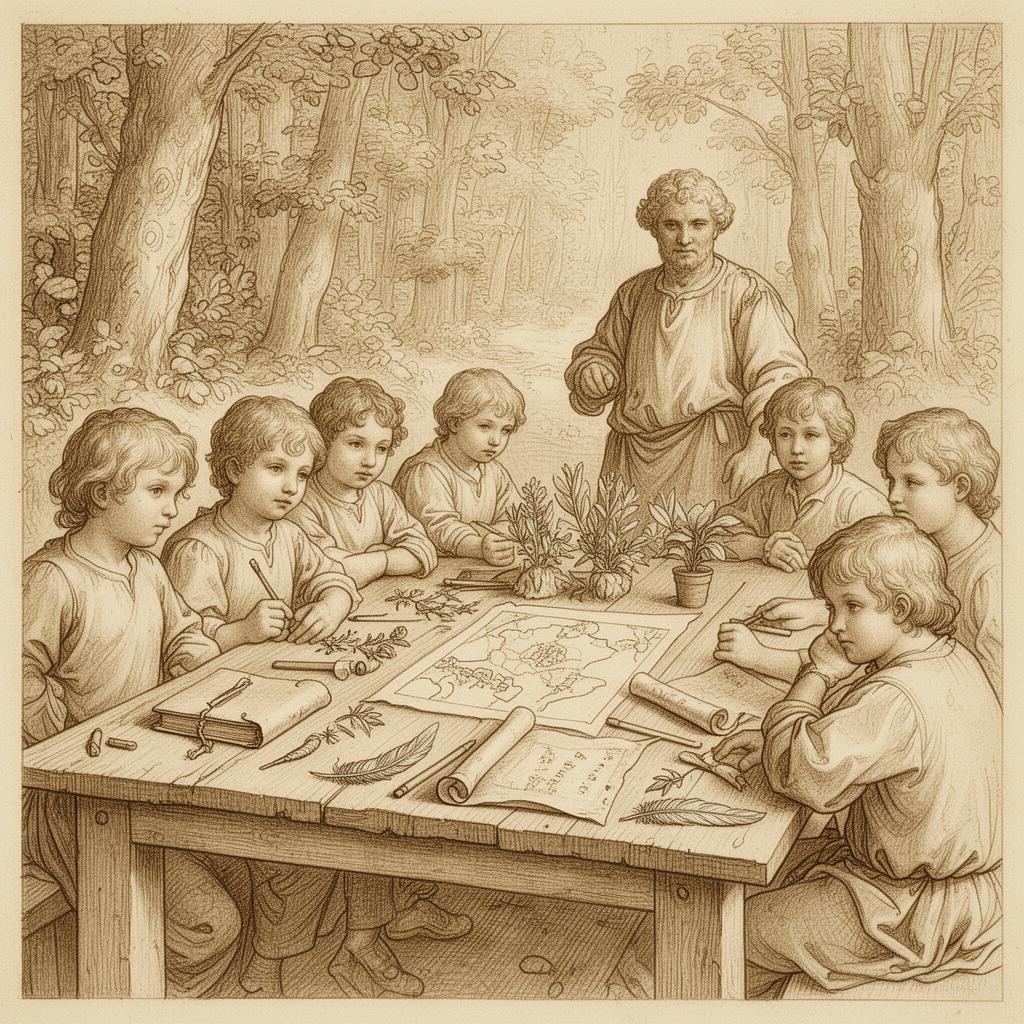
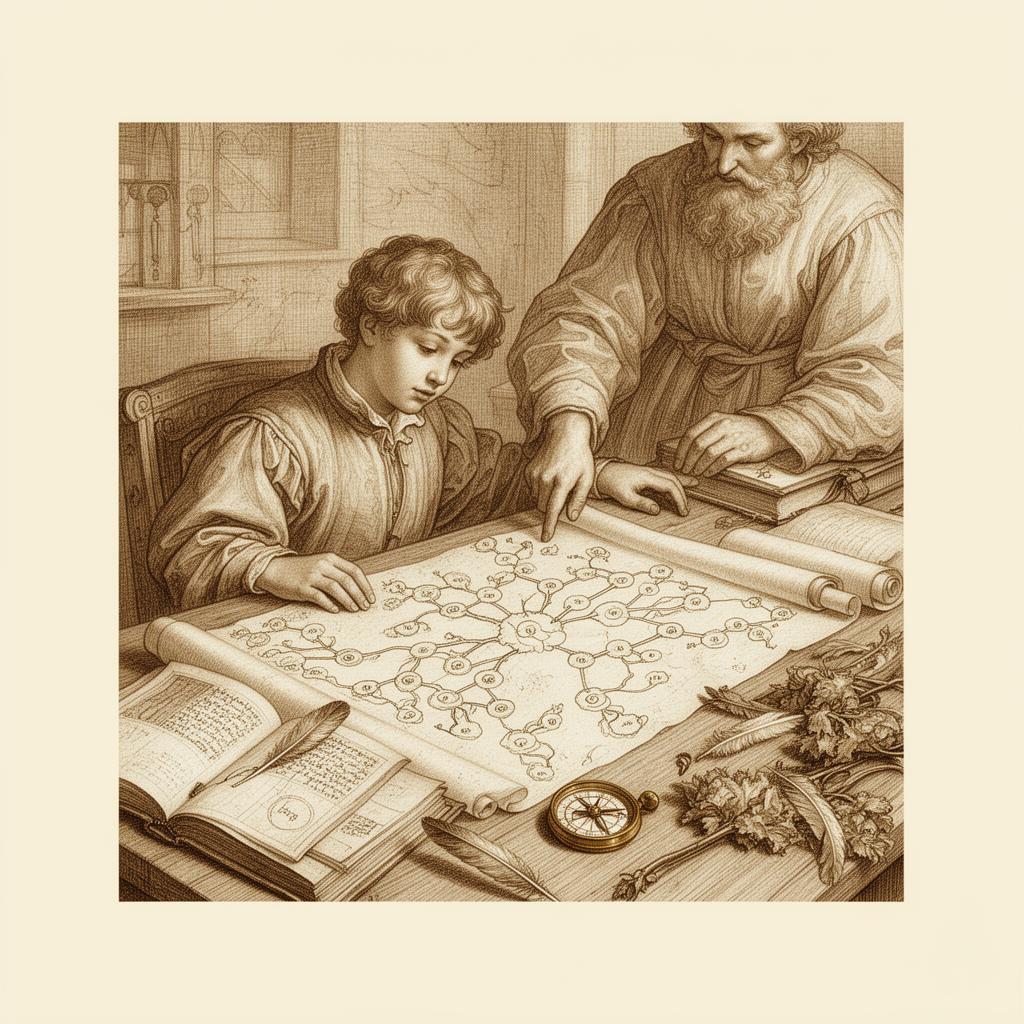
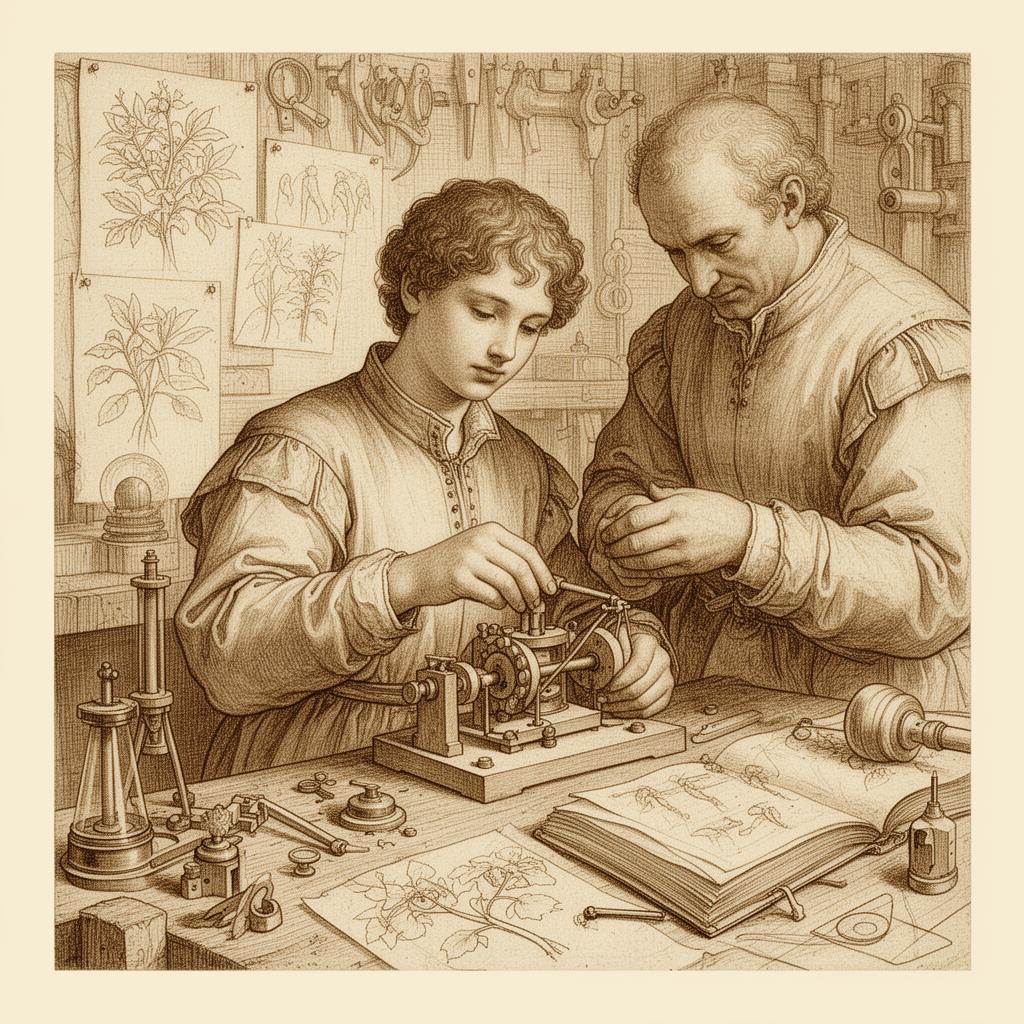
Illustration — Phase 1
PHASE I · GUIDED AGENCY · AGES 6–10

Guided Agency

Children govern how they explore the curriculum — which domain, which project, at what pace — within a framework that ensures foundational literacy and numeracy are acquired. The coach holds the full developmental picture of every child through the Aptitude Map. Learning is campaign-driven: a continuous narrative that gives every skill a purpose. AI runs backstage — the coach's tool. Children know what it is. They just don't use it yet.

The CampaignMission DispatchesAptitude MapHuman Buffer ProtocolGuild CouncilTrust ScoreHome Bridge

"No child is ever ranked. They see the next adventure."

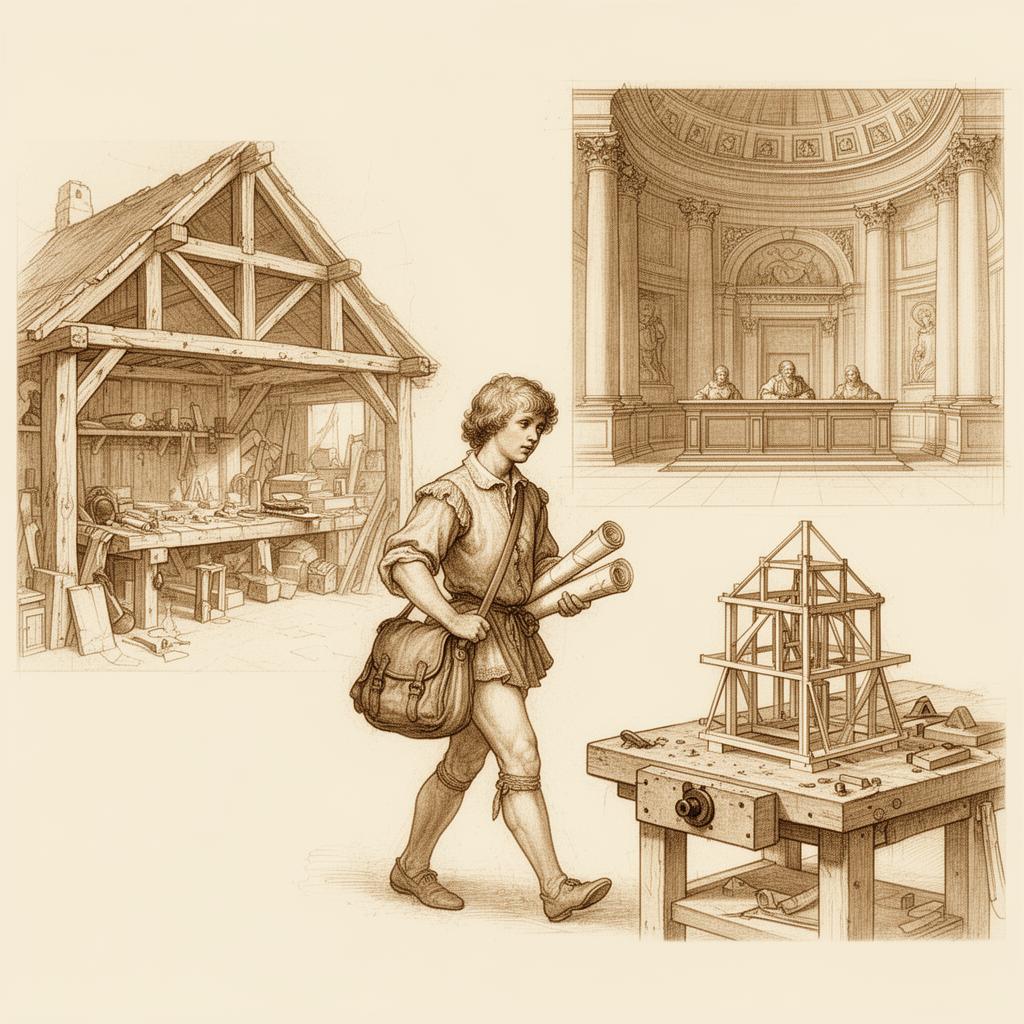
Illustration — Phase 2
PHASE II · TRANSITION · AGES 11–13

Transition

The Campaign fades. Quests become self-authored. The Aptitude Map begins becoming visible to the young person themselves — for the first time they can read their own developmental record. For those arriving from traditional schools, the Deschooling Period begins: three to four months of deliberate unstructuring. The recovery of intrinsic motivation before self-direction can function.

Mastery RecordAtelier PassageDeschooling PeriodGuild CouncilFirst Placements

"The map becomes theirs to read."

Illustration — Phase 3
PHASE III · PRACTITIONER · AGES 14–16

Practitioner

The young person designs their own curriculum in consultation with their mentor — more like a doctoral supervisor than a teacher. Outputs are for real audiences: ecological research submitted to citizen science networks, music released on real platforms, agricultural science with measurable results. Sustained placements begin on the Swiss Berufslehre model: three days in placement, two days at ÆRA. At 14, the Screen Passage — the first independent AI interaction, marked by ceremony, because the craft judgment built across years of analogue practice now makes them ready for it.

Mastery RecordCraft Judgment ProtocolScreen PassagePlacement ArchitecturePartner GuildMentor

"At 14, you design your own curriculum. Your outputs are for real audiences."

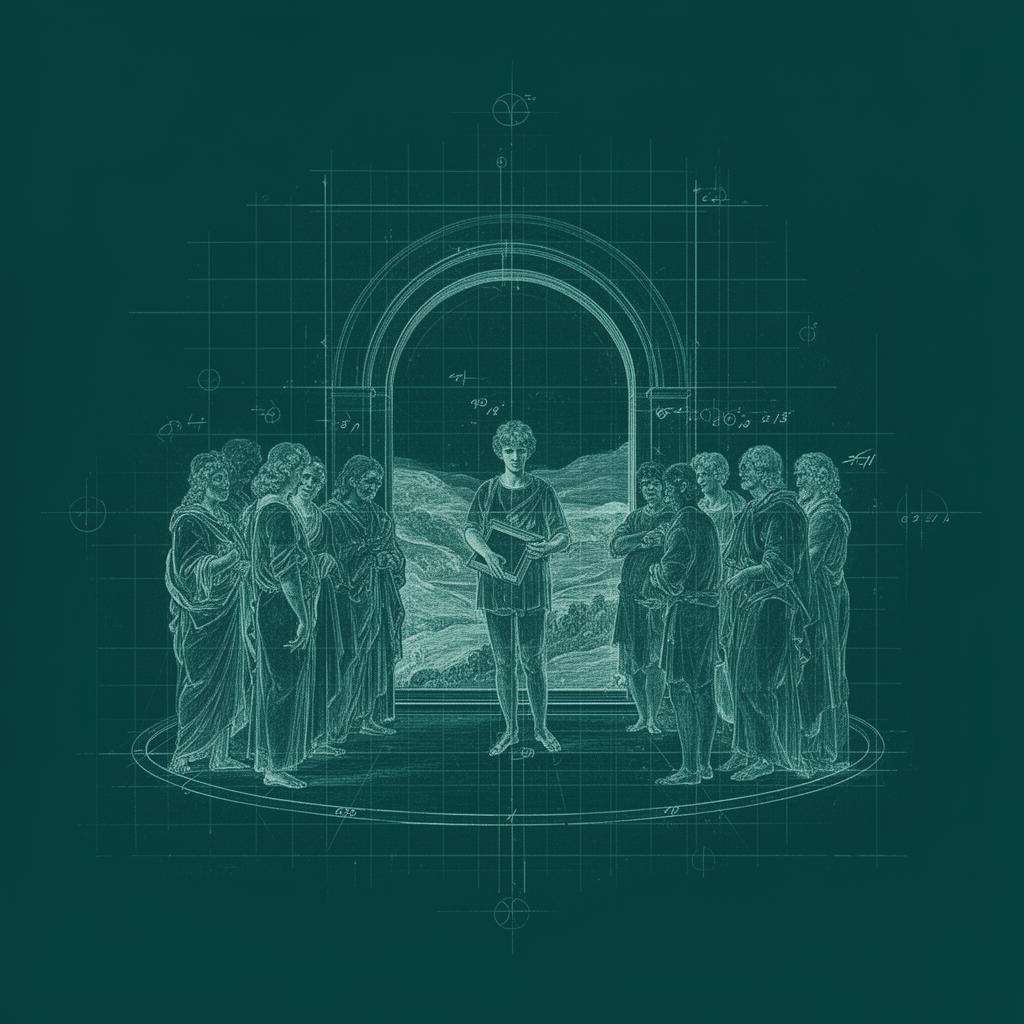
Illustration — Phase 4
PHASE IV · JOURNEYMAN · AGES 16–18

Journeyman

The journeyman in the craft tradition had completed their apprenticeship and now travelled between masters — broadening competency, building reputation, working toward mastery. This phase is that, made contemporary. Full cooperative governance: a genuine vote in the General Assembly alongside adult members. Placements of six to eighteen months. The Founding Project takes shape through placement relationships — a real enterprise the young person intends to launch.

Cooperative GovernanceWorking CircleFounding ProjectGraduation FundCooperative AmbassadorMastery Record

"A genuine vote at 17. Not a simulation of one."

THE COOPERATIVE PASSAGE · AGE 18
Illustration — Cooperative Passage (blueprint)

The Cooperative Passage

Not graduation. The Cooperative Passage marks full adult cooperative membership — not because the calendar says so, but because the young person has earned it. They present their cooperative contribution — governance record, Mastery Record, Founding Project progress — to a mixed group of adult members, alumni, and younger cooperative members. The community decides together. The ceremony is whatever the cohort designs, because by 18 they have been governing real things long enough to design their own ritual.

For those who have built something worth investing in: the cooperative may invest. Not a grant, not a loan — a genuine commercial relationship. The school as first investor, because it watched them build.

Cooperative PassageFounding StakeAlumni Accelerator

"There is no graduation. Only the next passage."

All systems

A reference index of every named system in the ÆRA framework. Each links to its full specification in Read.

Phase I

The Campaign

A generative narrative that ties every skill to a story purpose, evolving in real time.

→ Full specification in Read
Phase I

Mission Dispatches

Illustrated activity sheets — the physical form of the Campaign chapter.

→ Full specification in Read
Phase I

Aptitude Map

A two-view skill constellation: the coach's map and the child's adventure map.

→ Full specification in Read
Phase I

Human Buffer Protocol

AI runs backstage. No screen in front of a child aged 6–10.

→ Full specification in Read
Both

Guild Council

Democratic governance with real consequences — one vote per person.

→ Full specification in Read
Phase I

Trust Score

Three readiness levels, each unlocking greater independence and autonomy.

→ Full specification in Read
Phase I

Home Bridge

The daily ritual that keeps families inside the narrative.

→ Full specification in Read
Both

Rhythm Notes

The coach's developmental observation record — the signal beneath the data.

→ Full specification in Read
Phase II

Mastery Record

A co-owned living portfolio replacing the grade transcript.

→ Full specification in Read
Phase II

Craft Judgment Protocol

Direct AI collaboration, governed by years of analogue craft judgment.

→ Full specification in Read
Phase II

Screen Passage

The first independent AI interaction — a ceremony, not a permission.

→ Full specification in Read
Phase II

Placement Architecture

Three tiers: Immersion, Placement, Journeyman — real work as primary education.

→ Full specification in Read
Phase II

Partner Guild

The cooperative network of organisations that host placements.

→ Full specification in Read
Phase II

Founding Project

The real enterprise the young person builds during the Journeyman phase.

→ Full specification in Read
Phase II

Graduation Fund

A cooperative commons built by the young people's own contributions.

→ Full specification in Read
Phase II

Founding Stake

Cooperative equity investment in the young person's venture at 18.

→ Full specification in Read
Phase II

Cooperative Passage

Full adult cooperative membership — a beginning, not an end.

→ Full specification in Read
Phase II

Atelier Passage

The threshold from guided agency into self-authored quests.

→ Full specification in Read
Phase II

Deschooling Period

Three to four months of supported unstructuring for new arrivals.

→ Full specification in Read
Phase II

Mentor

The Phase II adult — closer to a doctoral supervisor than a teacher.

→ Full specification in Read
Phase II

Cooperative Governance

Real seats in working circles, real votes in the General Assembly.

→ Full specification in Read
Phase II

Working Circle

The unit of cooperative governance — a small group with a real remit.

→ Full specification in Read
Phase II

Cooperative Ambassador

The young person who represents the cooperative in external partnerships.

→ Full specification in Read
Phase II

Alumni Accelerator

The post-18 network of cooperative members supporting new ventures.

→ Full specification in Read
Built to transfer

Designed to work at any scale. In any context.

The framework is not a school to replicate — it is a set of systems, tools, and partnerships that can be implemented by a single educator with a Kit, or adopted stage by stage by a state secondary school. The economics work either way.

Three partnerships
Nature · Craft · Land
Every placement embedded in real ecology, real craft, real community.
Staff ratios
Economical by design
One coach per mixed-age cohort. Mentors shared across phases.
The Kit
Standalone implementation
Everything a single educator needs to begin. Open source.
National pathway
No laws need to change first
Adoption stages map onto existing legal and qualification frameworks.

→ Full playbook, cost estimates, and Sintra as a worked example in Build

KitCooperativeLicensedState reform